Media & Journalism
Media criticism, journalism, fake news, misinformation, disinformation, propaganda, media bias, mainstream media, MSM, independent media, free press, censorship, social media censorship, deplatforming, Section 230, news analysis, investigative journalism, whistleblower, leak, classified, fact-checking, editorial, opinion, pundit, cable news, podcast media, citizen journalism, trust in media, news cycle, breaking news.
30 clips
11:00
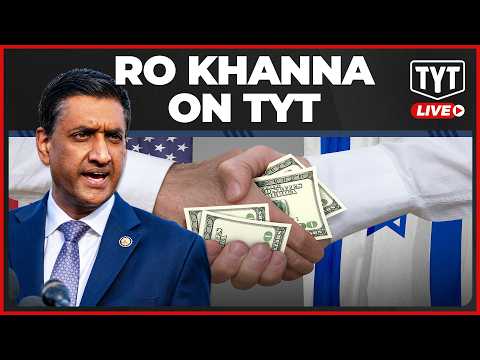
Israeli Government's Role in U.S. Policy Advocacy Exposed
 The Young Turks4d ago
Gotautle reveals that the SLIC, backed by the Israeli government, aims to influence U.S. legislation through funding and support. He admits the organization received financial backing for its launch, which included prominent Israeli diplomats.

10:01
China's Role in BLM Protests and Voter Data Manipulation
 Timcast5d ago
Donald Trump claimed that China compromised voter data for 220 million individuals and was involved in inciting BLM protests to exploit racial tensions in the U.S. He stated that China sought to pay journalists critical of his administration, indicating a broader strategy to influence U.S. social dynamics.
10:58
Community Backlash Against Data Centers Explained
The Young Turks5d agoData centers are often marketed as job creators, but they provide mostly temporary employment and increase local utility costs. Residents express anger over rising bills and the perception of corruption, feeling that they are unfairly subsidizing these facilities.
4:41
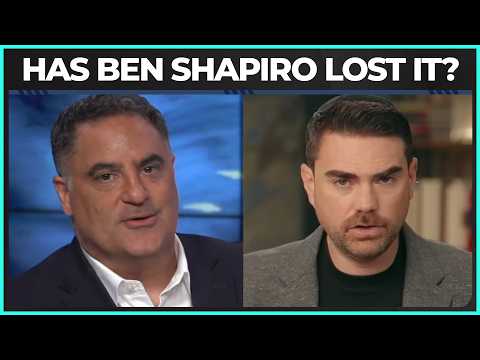
Ben Shapiro's Propaganda Ties to Oil and Foreign Governments
The Young Turks5d agoBen Shapiro's funding model relies on wealthy donors, including fracking magnates from Texas, who support his pro-oil narratives. Claims of climate change denial among right-wing influencers often stem from corporate sponsorship, with reports of Israel's $700 million propaganda budget further complicating the media landscape.
9:33
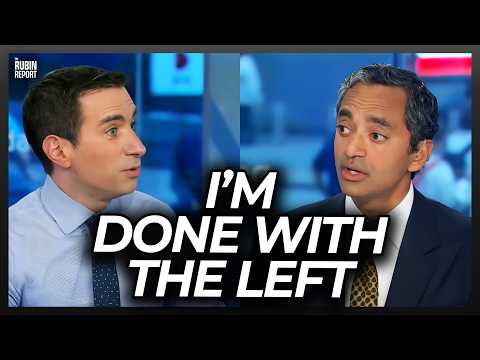
Tech Legend's Wake-Up Moment on Trump Derangement
 The Rubin Report7d ago
Shamath realized he had been misled by narratives surrounding Trump, particularly regarding the 'very fine people' comment after Charlottesville. He claims that this misinformation was perpetuated for years, with his own debunking of it marking a proud moment in his career.

19:54
Trump's Authoritarian Streak: Ignoring Real Threats
 Luke Beasley8d ago
Discussion reveals a troubling trend among Trump's supporters who focus on a vague communist threat while ignoring the very real dangers of authoritarianism. The conversation highlights the need for a proactive approach to counteract these authoritarian tendencies, especially in light of historical context provided by the Second Amendment.

8:58
Sunny Hostin Challenges Criticism of Allegations Against Platner
 DeVory Darkins8d ago
Sunny Hostin defends the timing of allegations against Graham Platner, arguing that victims deserve justice regardless of when they come forward. She emphasizes the need for public awareness about potential rapists and critiques those dismissing the allegations as politically motivated.

6:55
Trump's Complex Relationship with Power and War
 Talk Easy with Sam Fragoso9d ago
Maggie Haberman discusses Trump's contradictory stance on foreign wars, noting his description of Netanyahu as a 'good wartime partner' despite campaigning against new conflicts. She emphasizes that understanding Trump's actions often requires looking at his willingness to wield power rather than psychoanalyzing his motives.
5:52
Maggie Haberman's Unexpected Reporting Journey with Trump
Talk Easy with Sam Fragoso9d agoMaggie Haberman reflects on her intense reporting schedule since Trump’s 2015 campaign launch, revealing her initial plan to return to a less demanding lifestyle if Hillary Clinton won. She humorously recounts the numerous times her car was towed while working out of it, highlighting the chaotic nature of political journalism.

5:52
Are Social Media Bans Effective for Teen Mental Health?
 Hard Fork11d ago
Despite efforts to ban teens from platforms like Instagram, compliance remains low, with many still finding ways to access social media. The speaker compares this to early seat belt laws, noting that initial low adherence doesn't negate potential long-term benefits.
5:53
Why Gamers Reject AI in Video Games: Emotional Backlash Explained
 Tom Bilyeu12d ago
Gamers express strong aversion to AI in gaming, often driven by anxiety over job loss rather than tangible harm. Amjad Masad highlights that these reactions can be irrational, with little substantive argument against AI use, often rooted in emotional responses.
9:39
Will County Committees Favor Rural Over Urban Voices?
 Breaking Points13d ago
The conversation questions whether county-level organization will skew representation towards rural areas, despite population-based proportionality. Volunteers express feelings of betrayal over a political figure's exit, yet emphasize the movement's resilience and collective strength moving forward.
13:01
The Emotional Fallout of Political Disappointment
Breaking Points13d agoGraham highlights the self-centered nature of a politician's resignation speech, noting the excessive focus on personal feelings rather than collective issues. He describes how the speaker appeared on the verge of tears, emphasizing a 'me, me, me' attitude that mirrors Trumpian behavior.
10:58
The Dark Reality of Dehumanization in Political Conflict
Tom Bilyeu13d agoDehumanization fuels extreme reactions in political discourse, as discussed by the speakers. They argue that if a figure like Destiny were killed, many would celebrate, reflecting a disturbing trend of viewing opponents as less than human. This mindset leads to violent fantasies, as illustrated by Mike Benz's graphic response to a hypothetical assassination of Charlie Kirk.
8:53
Unpacking the Motives Behind Political Violence: A Radicalization Case Study
Tom Bilyeu13d agoEvidence suggests the assailant was motivated by left-wing radicalism, influenced by trans ideology. Charlie Kirk's policies were cited as a catalyst for hate, culminating in a tragic act of violence that reflects deeper societal divisions.
4:53
The Instant Gratification of Journalism vs. Art
 Armchair Expert with Dax Shepard14d ago
Dave Eggers highlights the immediate impact of journalism, contrasting it with the long wait for art to reach an audience. He recalls the thrill of seeing his work published on the front page, emphasizing journalism's daily gratification compared to the slow process of creating art for wealthy collectors.
4:53
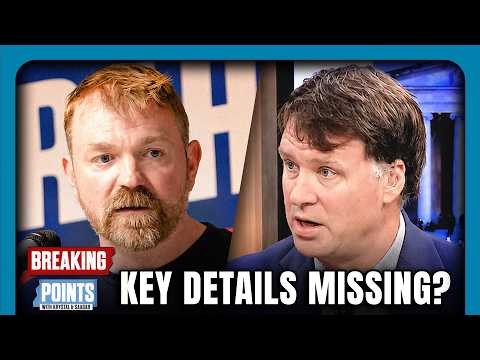
Key Details About Therapist Verification Omitted in Platner Assault Story
Breaking Points14d agoClaims that a therapist could verify allegations against Platner were unfounded, as confirmed by recent emails. While a friend supported Rasakott's story, the crucial therapist detail was notably absent from the Politico article.

14:59
The Reality of Retirement: Lifespan vs. Benefits
Luke Beasley22d agoWith the average American lifespan at 79 years, many face health issues shortly after retirement. This raises questions about the entitlement to benefits like Medicare and Social Security, especially as life expectancy varies significantly between genders.
10:03
Are Data Centers Really Benefiting Local Economies?
Luke Beasley22d agoState and local governments often lure companies with tax breaks and promises of jobs, but the math doesn't add up. The real beneficiaries are the data center companies, while average Americans are left in the dark about the implications.

7:55
How a Cult Leader Influenced Tulsi Gabbard's Legislation
 Liz Wheeler28d ago
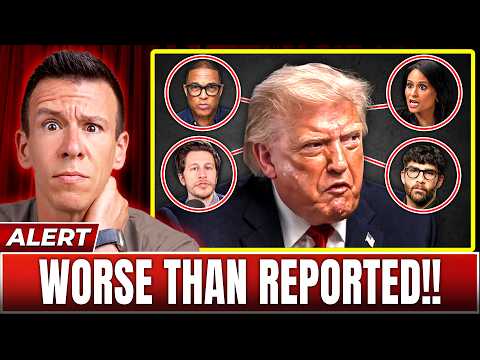
In 2014, an unnamed adviser urged Tulsi Gabbard to support veterans' medical care without government preapproval, a key distinction from other proposals. Gabbard later introduced a bill reflecting this advice, showcasing the influence of Chris Butler, the cult leader behind SIF, on her political actions.
8:08
Trump's $1.8B Fund for 'Victims' Sparks Controversy and Claims of Rigged Elec...
 Philip DeFranco34d ago
Trump's $1.8 billion fund faces backlash, but he insists it's justified.

4:48
Questioning the Silence Around Unsolved Murders
 Tucker Carlson34d ago
Jimmy Dore exposes media hypocrisy in the Seth Rich murder coverage.

7:59
Is Israel's Strategy Shifting in Lebanon Amidst Global Indifference?
 Triggernometry105d ago
Batya Ungar-Sargon reveals why Lebanon's civilian casualties aren't sparking the same outrage as Gaza.

7:12
How Woke Ideology Frames the Israel-Palestine Conflict
Triggernometry108d agoElica Le Bon argues that the woke narrative oversimplifies the Israel-Palestine conflict.

9:54
Rejecting Grifts: Embracing Traditional Virtue for Men's Success
 Ben Shapiro111d ago
Jordan Peterson argues that quick-fix schemes exploit men seeking genuine success.

7:52
Why AI's Narrow Intelligence Limits Its True Potential
 The Diary Of A CEO118d ago
Current AI's limitations reveal why scaling alone won't unlock true intelligence.
3:30
Curating Knowledge on Social Media Requires Reciprocity
 Sam Harris120d ago
Hosts reveal how Instagram's allure faded into disillusionment over time.
10:57
The Rise of AI Slop: How Algorithms Mislead Our Content Feed
Sam Harris120d agoTwitter's algorithm is prioritizing 'AI slop' over genuine content, jeopardizing user trust.
6:30
Mainstream Media's Selective Coverage Revealed
 Shawn Ryan Show125d ago
Mainstream media's silence on key stories hints at a hidden agenda.

5:30
Media Smear? Candace Owens Defends Against Investigative Claims
 Candace Owens125d ago
Candace Owens challenges the media's tactics in portraying her political connections.
Want Media & Journalism clips in your feed?
Sign up to get personalized clips from your favorite podcasts, delivered automatically.
Sign up free