Economics & Macro
Macroeconomics, inflation, interest rates, Federal Reserve, the Fed, recession, GDP, unemployment, stock market, S&P 500, bond market, yield curve, housing market, real estate bubble, trade deficit, national debt, fiscal policy, monetary policy, quantitative easing, central bank, dollar, currency, economic growth, supply chain, tariffs, trade war, economic indicators, consumer spending, wage growth, cost of living.
30 clips
4:18
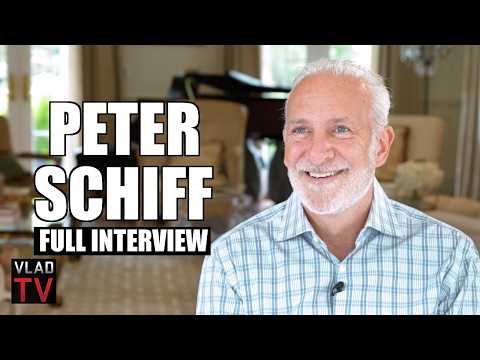
A Call for Revolution Against Government Tyranny
 djvlad4d ago
Peter Schiff claims current government taxation and regulations are more oppressive than those under King George. He insists Americans today have a stronger justification for revolution than their ancestors did 250 years ago, citing the burdens of the IRS and income tax.
5:55
How the Income Tax Shifted Burden to the Middle Class
djvlad4d agoThe income tax was introduced in 1913 to target the wealthy, but quickly expanded to burden the middle class. Peter Schiff argues that the original tax rates intended for the rich were around 2-3%, while the middle class now pays rates of 20-40%.
5:51
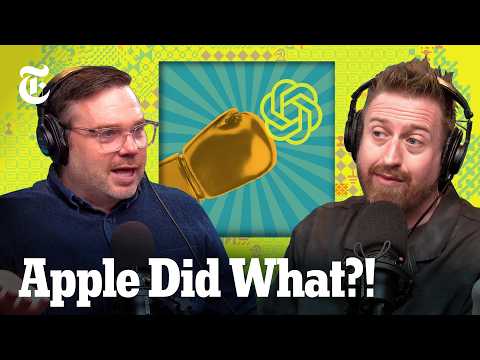
Debating a Sovereign Wealth Fund for AI Profits
 Hard Fork5d ago
A sovereign wealth fund funded by AI companies could redistribute wealth to Americans, but concerns arise over fairness and decision-making. Economists advocate for a broader approach to ensure equitable sharing of gains from the booming AI industry.
6:56
AI Disrupts and Creates Jobs in the Modern Economy
Hard Fork5d agoAI is increasingly recognized as a significant factor in job dynamics, according to recent research. While it may disrupt existing jobs, it also generates new employment opportunities, highlighting its complex impact on the economy.
6:56
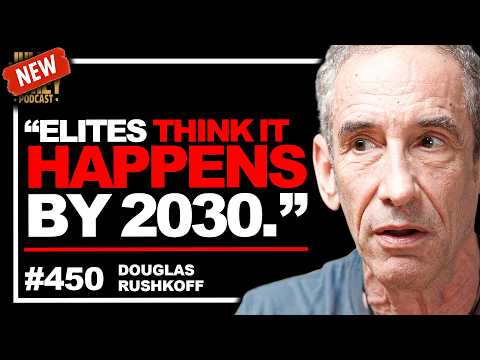
The American Dream as a Tool for Social Alienation
 Julian Dorey5d ago
The design of suburban life, with its focus on home ownership and family isolation, promotes social alienation, according to Rushkoff. He critiques the 'American Dream' as a systematic plan that limits collective action and reinforces conformity.
14:02
Racism and Indoctrination in Elite Circles
Julian Dorey5d agoDouglas Rushkoff claims elite figures, like Peter Thiel, support racist ideologies rooted in their upbringing. Indoctrination occurs in environments shaped by apartheid, fostering fear and division.
12:03
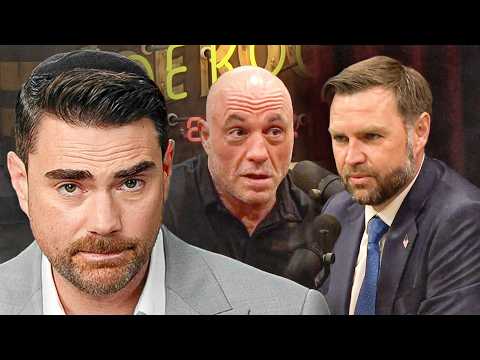
JD Vance Warns Conservatives About Embracing Leftist Policies
 Ben Shapiro6d ago
JD Vance argues that viewing the meritocracy's failure to provide spiritual fulfillment as a systemic issue leads conservatives toward leftist government policies. He insists that capitalism is not rigged and warns against promoting democratic socialism as a solution, suggesting that the political class is more responsible for rigging the system.
6:55
Lockdowns Created Economic Distortions and Imbalances
 Tom Bilyeu6d ago
Lockdowns triggered unintended economic consequences, leading to significant distortions and imbalances. These interferences disrupted natural economic systems, making recovery increasingly difficult.
21:10
The Stock Market Misleads About Economic Health
Tom Bilyeu6d agoThe stock market's performance does not accurately reflect the economy's condition, as claimed. Economic distress persists despite all-time highs in the stock market, driven by factors like US debt and inflation. The yield curve serves as a key indicator for assessing economic health, revealing that the truth often lies between extremes.
5:56
Lessons from Economic Recovery Post-COVID
 The Weekly Show with Jon Stewart7d ago
The unemployment rate surged during COVID but recovered quickly, suggesting effective bottom-up recovery strategies. Goolsby criticizes the moral hazard rationale for not bailing out homeowners while bailing out banks.
13:00
Market Reactions to Jobs Reports Explained
The Weekly Show with Jon Stewart7d agoUnexpected market movements follow jobs reports, with a bad report sometimes causing stocks to rise. This reflects investors' expectations about the Fed's interest rate decisions, illustrating the complexity of market psychology.
12:00
Inside the Federal Reserve How Presidents are Chosen
The Weekly Show with Jon Stewart7d agoAustin Goolsby reveals the Federal Reserve Banks function as not-for-profit entities, with presidents selected by a board of local CEOs and civic leaders. There are 12 regional reserve banks across the country.
11:01
US Military Strategy Against Iran Escalates Amid Low Demand
Tom Bilyeu7d agoRecent military actions against Iran have intensified, targeting infrastructure in a more aggressive manner. Despite predictions of soaring energy prices, a lack of demand suggests that the market is reacting to deeper economic challenges.
11:58
The Oil Boom: How It Fueled 1920s Economic Expansion
 Triggernometry14d ago
The discovery of oil in the 1920s triggered a massive economic boom, driving automobile production and construction. Innovations like the assembly line, developed by Bill Nudson, made cars affordable for the masses, while unregulated banking allowed consumers to borrow freely, leading to unprecedented population and urban growth.
12:53
The Moment Millions Will Face: Realizing You're Not Secure
 Shawn Ryan Show14d ago
Mike Rowe highlights a profound realization many Americans will encounter: the feeling of being unprepared and unsupported in their work lives. He compares this to his own experience of losing everything, emphasizing the importance of recognizing when safety nets disappear and the need for adaptability in changing job landscapes.

7:00
Public Sentiment Shifts: Wealth Tax as Punishment for the Rich
 Breaking Points14d ago
Polling reveals that many Americans support a wealth tax primarily as a punitive measure against the wealthy, despite concerns over taxing unrealized gains. This sentiment reflects a broader societal frustration, as people express indifference to how tax revenues are used, emphasizing a desire for accountability from the affluent.
10:58
Oil Prices Surge Amidst Geopolitical Tensions and Censorship
 The Young Turks33d ago
Iran's attacks on US vessels are pushing oil prices to unprecedented heights.
6:00
How David Ricardo Manipulated the Bond Market for Wealth
 Tucker Carlson34d ago
David Ricardo’s secret war funding strategy reshaped the bond market and economics forever.
8:30
Israel's Nuclear Hypocrisy in Non-Proliferation Talks
Triggernometry119d agoIsrael's nuclear stance raises questions about the NPT's effectiveness in global security.
1:30
The Power of Real Community Connections
 UnsubscribePodcast125d ago
Real-life community experiences outperform digital interactions in fostering meaningful connections.

1:30
Building a Winning NFL Team: The Key Players
 The 85 South Comedy Show125d ago
Recent NFL draft picks could redefine your favorite team's winning strategy this season.

10:30
Eminem's Impact on Artist Success in Hip Hop
 FLAGRANT125d ago
Eminem's influence reshaped hip-hop, challenging racial perceptions and elevating artists' careers.

2:30
Major Coaching Shakeups in the NFL!
 The Pat McAfee Show125d ago
John Harbaugh's exit marks a turning point for the NFL's coaching landscape.

2:30
Fernando Mendoza on Pressure of Being the Top NFL Draft Pick
The Pat McAfee Show125d agoFernando Mendoza reveals the key workout secrets that captivate NFL general managers.
1:30
Understanding the $40 Trillion Debt Crisis!
 Matt and Shane's Secret Podcast125d ago
America's $40 trillion debt isn't just a number; it signals a looming crisis.
9:30
Countries are moving away from the dollar to gold as a safe haven
Tucker Carlson125d agoExperts predict a return to gold as fiat currency faces unprecedented risks.
7:30
Is the UK Facing an Economic Crisis?
 The Diary Of A CEO125d ago
The UK's GDP per capita decline reveals deeper economic struggles than we realize.
8:30
Stocks or Real Estate: Where Should You Invest?
The Diary Of A CEO125d agoInvestors may find surprising advantages in real estate leverage over stock market returns.
1:30
Democrats Admit Racism: A Shocking Revelation
 DeVory Darkins125d ago
Jasmine Crockett's situation prompts surprising admissions of racism among Democrats.
3:30
Trump's Meltdown Over Supreme Court's Tariff Ruling!
 Luke Beasley125d ago
Trump's Supreme Court loss on tariffs reveals cracks in his economic strategy.
Want Economics & Macro clips in your feed?
Sign up to get personalized clips from your favorite podcasts, delivered automatically.
Sign up free