Cryptocurrency & Bitcoin
Bitcoin, Ethereum, crypto market, blockchain, DeFi, decentralized finance, NFTs, altcoins, Solana, crypto regulation, SEC, stablecoins, crypto exchange, Coinbase, Binance, crypto crash, bull run, bear market, mining, proof of work, proof of stake, Web3, smart contracts, tokenomics, rug pull, crypto scam, meme coins, Dogecoin, whale activity, institutional adoption, Bitcoin ETF, digital assets.
19 clips
11:57
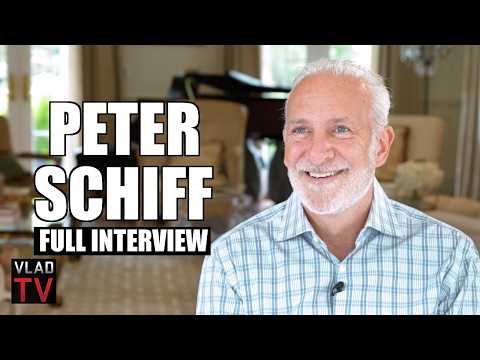
The Untouched Bitcoin Wallet Worth $89 Billion Raises Concerns
 djvlad4d ago
Satoshi's wallet holds 1.1 million Bitcoin, valued at $89 billion, but has remained inactive for 15 years. Peter Schiff argues that Bitcoin is merely a claim to wealth, unlike gold or real estate, and warns that AI could potentially access this dormant wealth.

17:01
AI Regulation Must Target Catastrophic Risks, Not Minor Issues
 All-In Podcast4d ago
AI regulation should prioritize only frontier models that pose catastrophic risks, such as cyber threats and CBRN. Lesser models shouldn't be delayed, and regulations shouldn't address trivial matters like disinformation. A voluntary approach is recommended before establishing mandatory regulations.
15:00
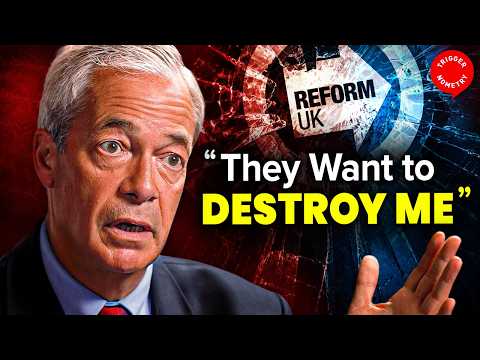
Farage Reveals Challenges of Declaring Political Donations
 Triggernometry5d ago
He criticizes the rules for requiring gross income declaration, claiming they are unmanageable for business owners.

14:00
How the Kumari Method Enhances Interviewing Skills
 10% Happier5d ago
Vikram Gandhi explains that the Kumari method enables him to reflect people's thoughts back to them, fostering a safe dialogue. This technique improved his interviewing abilities and helped individuals recognize their own insights.
16:02
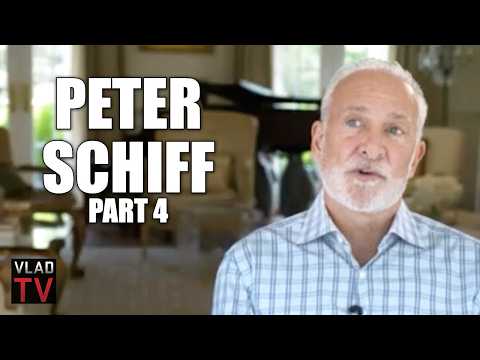
Peter Schiff: Bitcoin's Value is Just Hype, Likely to Go to Zero
djvlad8d agoPeter Schiff argues that Bitcoin and cryptocurrencies lack intrinsic value, labeling them as the biggest bubble due to their reliance on hype. He predicts that most coins will eventually plummet to zero, despite Bitcoin's current price of $59,000, which he notes is lower than its April 2021 value.

11:58
How Warsh's Fed Nomination Impacts Crypto and Tech Liquidity
 Tom Bilyeu13d ago
Kevin Warsh's nomination as Fed chair is causing uncertainty in markets, leading to a liquidity drain from tech, crypto, and metals. Analysts highlight rising bankruptcies and a widening yield gap, signaling potential recession risks that make investors skittish.
11:58
The Hidden Risks of Investing Alongside Government Policies
Tom Bilyeu13d agoArthur Hayes warns that investing with government-backed initiatives may seem lucrative now, but could lead to significant losses in the long run. He highlights the conflict between investor goals and political agendas, using examples from the semiconductor and energy sectors.
11:59
China's Strategic Moves Against a Weakening US
Tom Bilyeu13d agoHayes predicts that China will assert its dominance by taking over Taiwan by 2027 while the US is distracted by internal strife. He emphasizes that China's strategy includes building alliances and controlling critical resources, further weakening the US's global position.

9:57
Khi's Explosive Growth: From $11B to $40B in Just One Year
 PBD Podcast21d ago
Khi's valuation skyrocketed from $11 billion to $40 billion in a year, signaling a major shift in political campaign strategies. The company’s success is making politicians rethink traditional polling methods, as they adapt to new market dynamics.
11:58
Trump's Memecoin: A Risky Move for His Political Future
PBD Podcast21d agoTrump's licensing agreement with Celebration Coin could backfire, as critics argue it undermines his credibility and opens him to attacks. Jeeoff warns that such financial ventures may alienate voters who expect transparency from their leaders.

8:01
The Risks of Low Ransom Payments in Kidnapping Cases
 Nancy Grace27d ago
Requesting a high ransom but accepting a minimal payment can jeopardize negotiations, as Dr. John Delator explains. This strategy risks alienating abductors and losing the only connection to them, leaving families with unresolved anguish.

10:00
Crypto Super PACs: The $4 Million Boost Behind Texas Candidates
 The Young Turks33d ago
Protect Progress's $4 million bet on Christian Manf could reshape Texas's election landscape.

10:30
The Hidden Truth: Who Really Sacrifices in the NBA?
 The Arena125d ago
NBA players quietly bear the financial burden while owners chase profits.

7:30
The Struggles of Leadership in the NBA
The Arena125d agoLeBron James reveals the hidden trials of leadership amid conflicting team ambitions.

1:30
Is Tanking the Key to NBA Success?
 Come And Talk 2 Me125d ago
The NBA's biggest secrets: Do the Spurs hold the key to successful tanking?

12:30
The Confusion Behind NFT Profitability
 PowerfulJRE125d ago
NFTs have transformed digital art, but what's the hidden profit potential?

9:33
Bitcoin's 2023 Surge: How It Defied Predictions and Shocked Investors
 Peter H. Diamandis135d ago
Bitcoin's surge past $60,000 stunned investors, but Alex knows why it happened.
7:55
Bitcoin's volatility cost investors $1 trillion in 2022 alone
Peter H. Diamandis135d agoBitcoin's wild swings led to a staggering $1 trillion loss for investors in 2022.
3:16
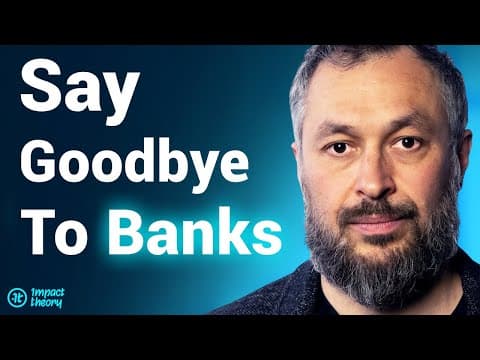
How Crypto Could Revolutionize Trust in Finance
Tom Bilyeu13d agoCrypto is poised to transform finance by automating trust, which has been a significant barrier to software adoption in the sector. Traditional processes, like buying a house, are laden with complexities and trust issues, making them costly and opaque. Blockchain technology offers a solution by enabling trustless transactions, potentially reducing expenses and simplifying financial interactions.
Want Cryptocurrency & Bitcoin clips in your feed?
Sign up to get personalized clips from your favorite podcasts, delivered automatically.
Sign up free